%20(1).webp)
Preventive Dentistryin Mechanicsburg, PA
Solid preventive care is the foundation for your oral and overall health. Good at-home hygiene habits, in combination with professional cleanings, can keep your smile free from decay and other oral health issues like gum disease. Regular exams allow us to monitor your oral health so you can address any minor concerns before they become larger, more costly, and more invasive issues.

Diagnostic & Prevention
We get it, it can be a bit too easy to put off your biannual dental exam and we don't blame you, life gets busy! But remember, skipping your appointments can cost even more time and money in the future. Coming in twice a year allows us to catch small issues before they become time-consuming, expensive problems. Regular check-ups only take about an hour and we assure you that we will make it a comfortable process. Let's keep that smile of yours healthy with our excellent preventive services.
Cleaning & Hygiene
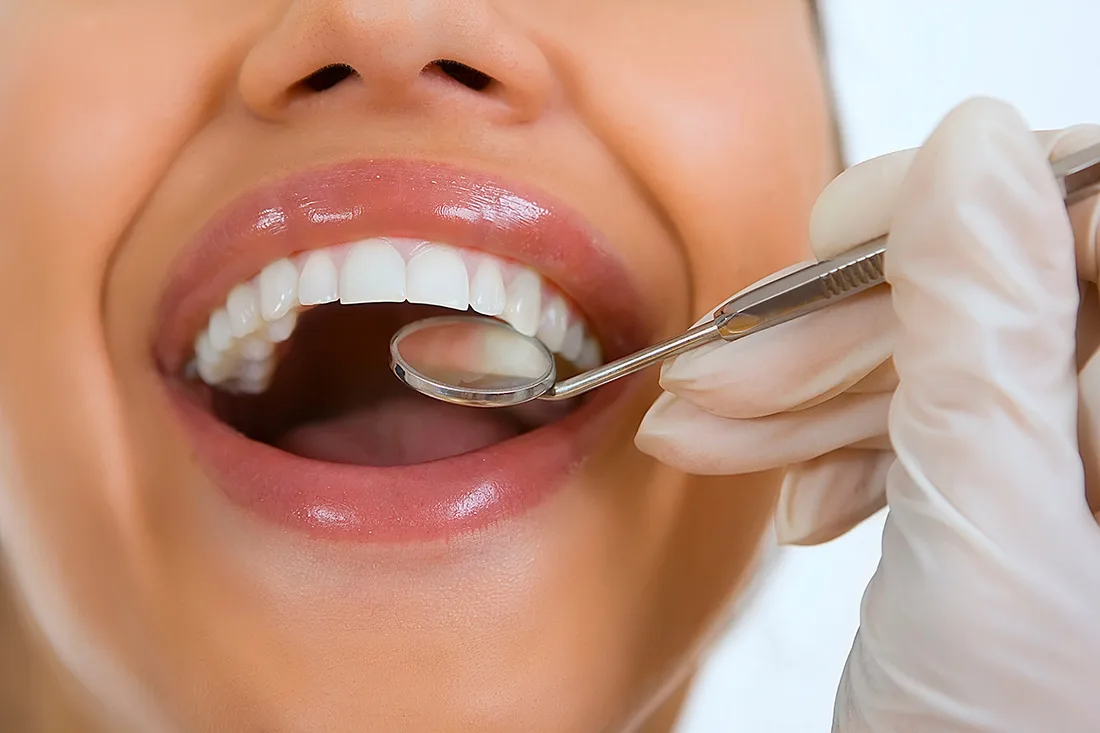
Regular teeth cleanings and hygiene appointments are the foundation of preventive dental care. During your cleaning, we will thoroughly cleanse your teeth and gums, removing any plaque or debris from every surface in your mouth. You’ll even be able to reverse minor stains to keep your smile bright and beautiful. We recommend scheduling routine cleanings and exams every six months for most patients.
However, good oral hygiene shouldn’t stop when you leave our office. Keeping up with your at-home brushing and flossing routine is equally as important as attending professional cleanings, and is the best way to keep your teeth and gums healthy. Use a fluoride-rich toothpaste and a soft-bristled toothbrush to brush your teeth at least twice a day for two minutes at a time; and don’t forget to floss! Flossing at least once every day, ideally before going to bed, helps to get rid of food particles, plaque, and bacteria that can’t be removed with brushing alone.
Digital X-Rays
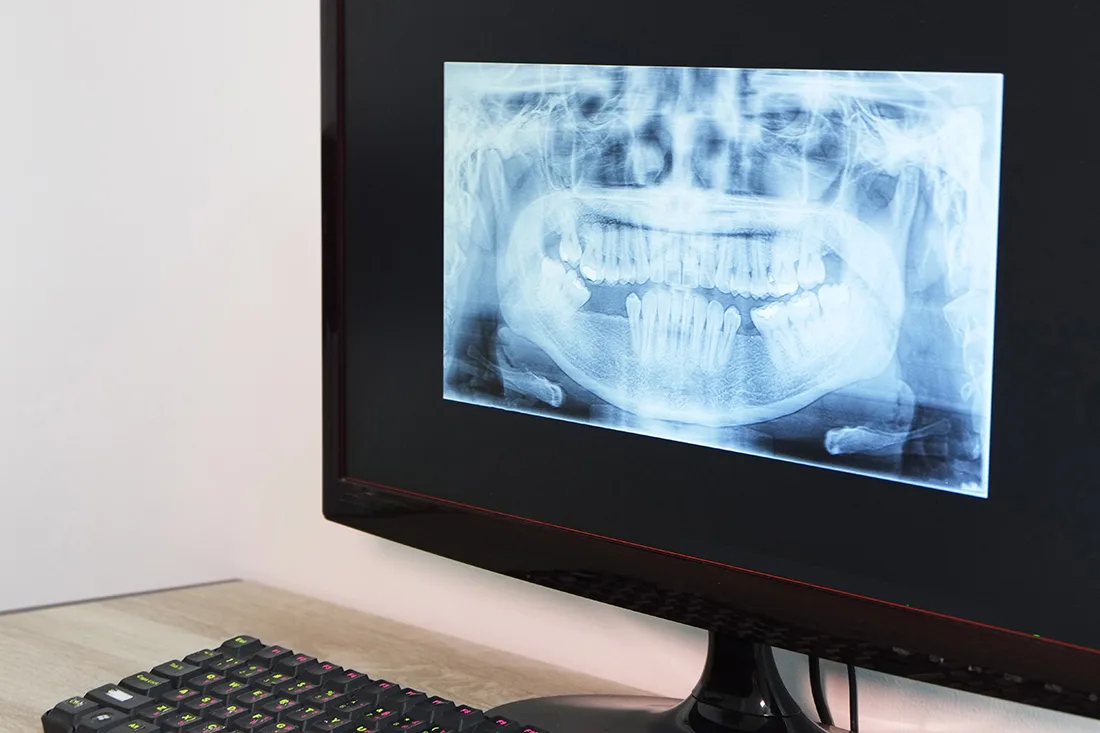
Digital x-rays are safe, quick, and comfortable. Using the latest technology, we can create crisp, high-resolution images of your mouth’s structure, so we can make accurate diagnoses and treatment plans. Digital x-rays use only a fraction of the radiation as traditional film x-rays, so you can rest easy. Most patients receive one or two full sets of x-rays every year, but we may recommend additional imaging in the case of a dental emergency, or if we find an oral health issue that we need to investigate further.
Fluoride Treatments
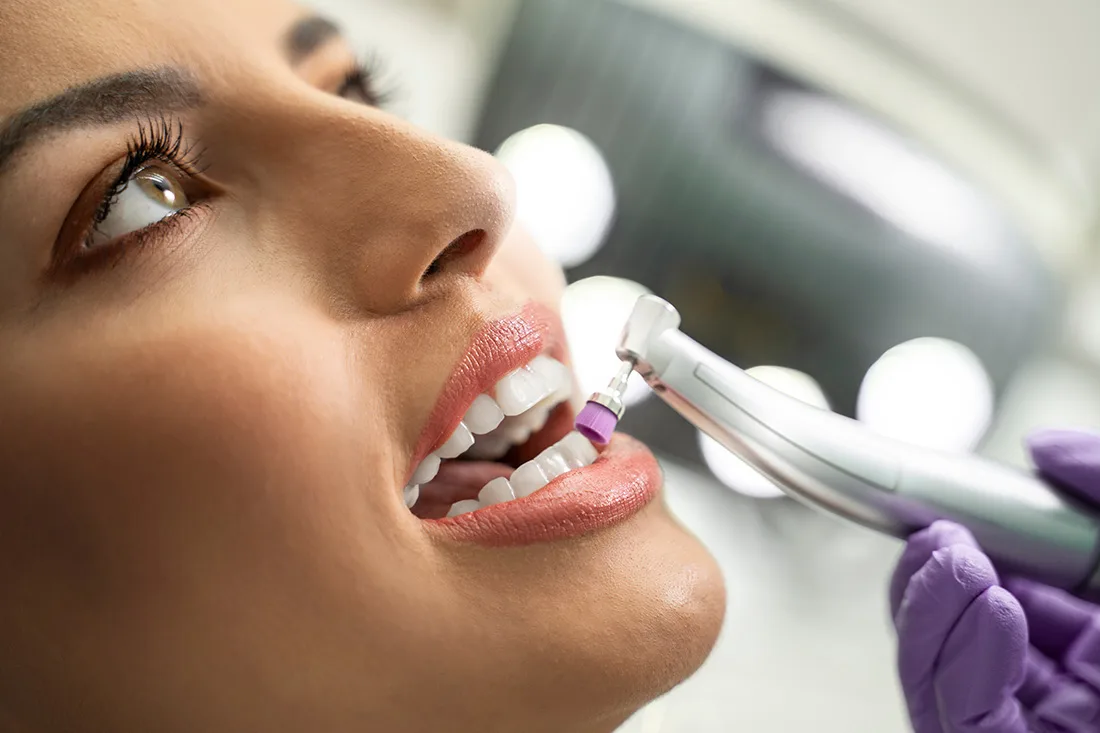
Fluoride treatments are one of the best ways to keep dental decay at bay. A simple, non-invasive procedure, fluoride treatments help to keep your enamel strong. After your cleaning, we’ll apply a fluoride-rich varnish or gel; we may ask you to refrain from eating or drinking anything for 30 minutes or so following your visit. Fluoride helps strengthen the enamel, making it more resistant to acids from plaque, bacteria, and sugary foods that cause cavities.
Dental Sealants
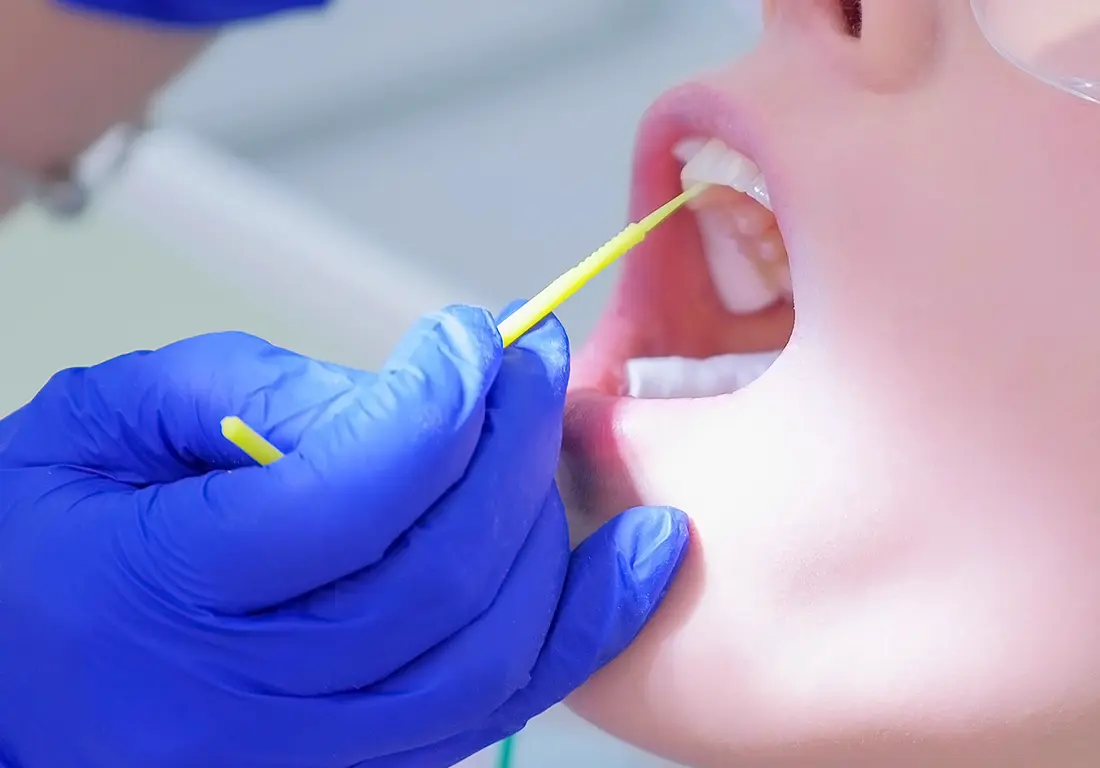
While often associated with children's dentistry, adults can benefit just as much from this proven preventive treatment. Sealants are thin, protective coatings applied to the deep grooves of your back teeth where decay often starts. Even with diligent brushing, these microscopic crevices can trap food and bacteria. Dental sealants create a smooth, protective barrier that's nearly invisible and can last for years, significantly reducing your risk of cavities. It's a quick, painless procedure that can save you time and money by preventing more extensive dental work down the road. If you're cavity-prone or want to take a proactive approach to your dental health, ask us about whether sealants could be right for you.
Periodontal Care
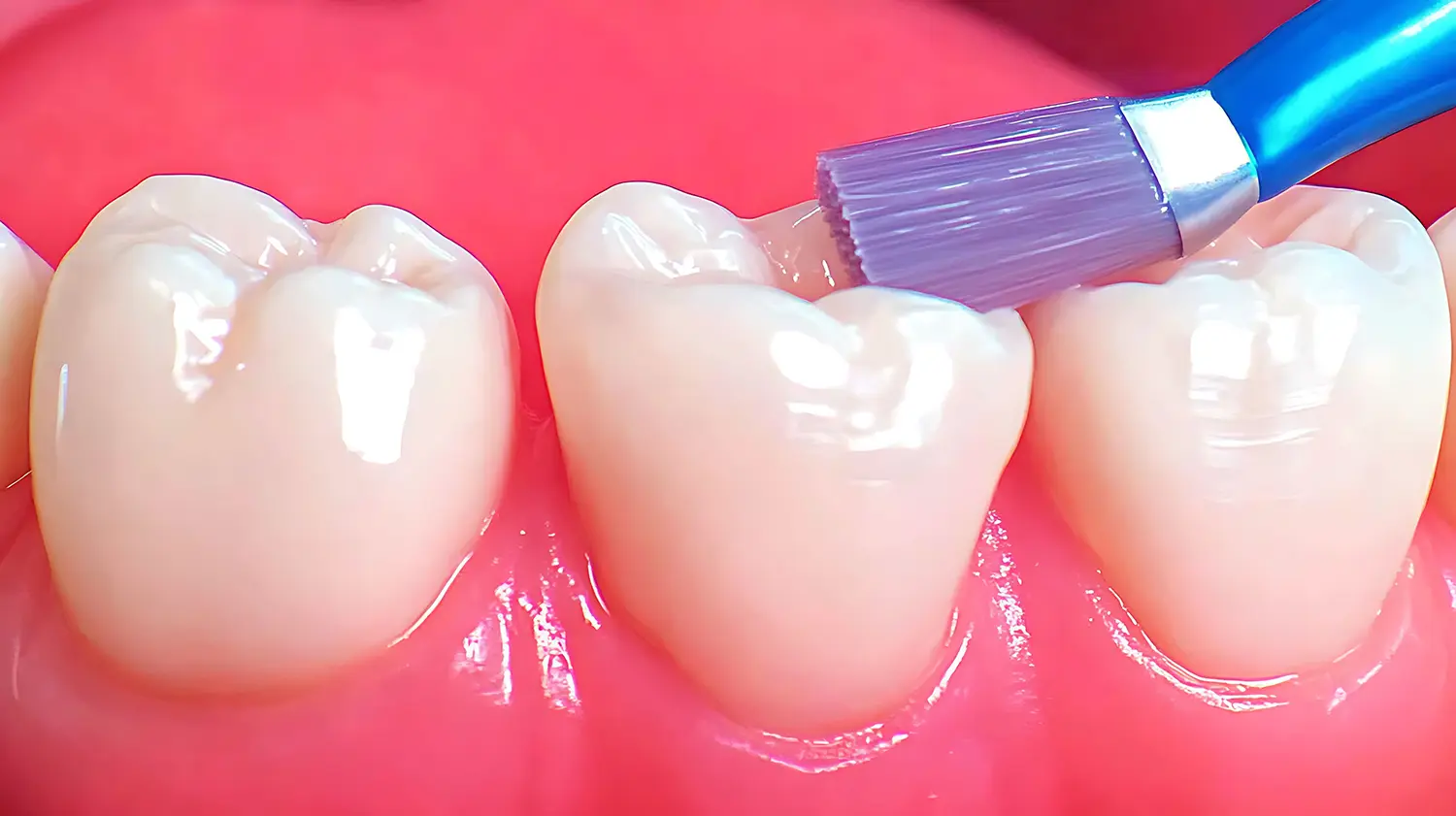
We focus on keeping your gums healthy through personalized periodontal care designed to prevent, detect, and treat gum disease. From routine cleanings and thorough evaluations to advanced treatment options, we’re here to support every stage of your oral health. By combining patient education with a whole-health approach, we help you maintain not just a healthy smile—but overall wellness.
Oral Cancer Screenings
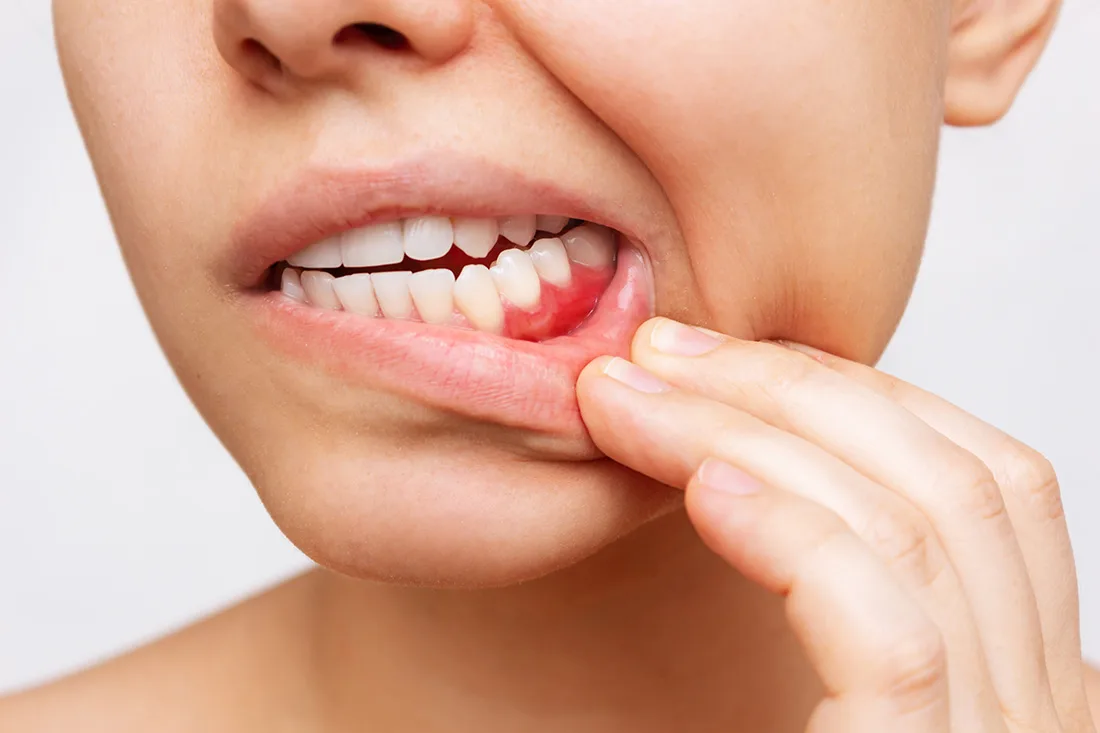
Oral cancer screenings are a part of every preventive visit, and are a quick way to fortify your peace of mind. Through consistent exams, we can catch oral cancer early on, which gives us a better chance at treating it before it spreads. A routine oral cancer screening can even save your life!
Your dentist will examine your gums, tongue, and the rest of the soft tissues in your mouth, keeping an eye out for lesions and other abnormalities like lumps and discolorations. If there is anything that concerns us, we may recommend getting a biopsy, which will be analyzed by a specialist to determine the cause of the abnormality. Regular oral cancer screenings allow us to identify any potential problems before they become major issues.
Night Guards
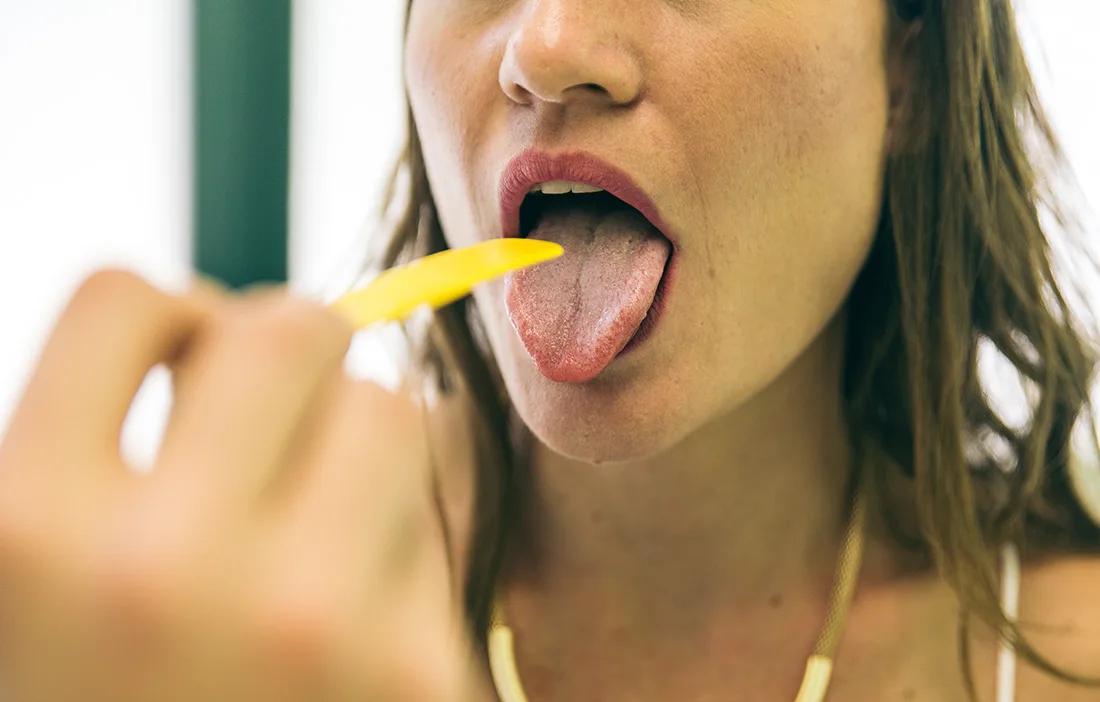
Unconscious teeth grinding and clenching, known as bruxism, is a common issue that tends to happen at night while patients are asleep. However, night guards can help patients alleviate symptoms of bruxism by creating a barrier between your teeth that protects them from grinding-related damage. Depending on the severity of the case, night guards can be made from several different materials with varying degrees of softness.

Sports Guards
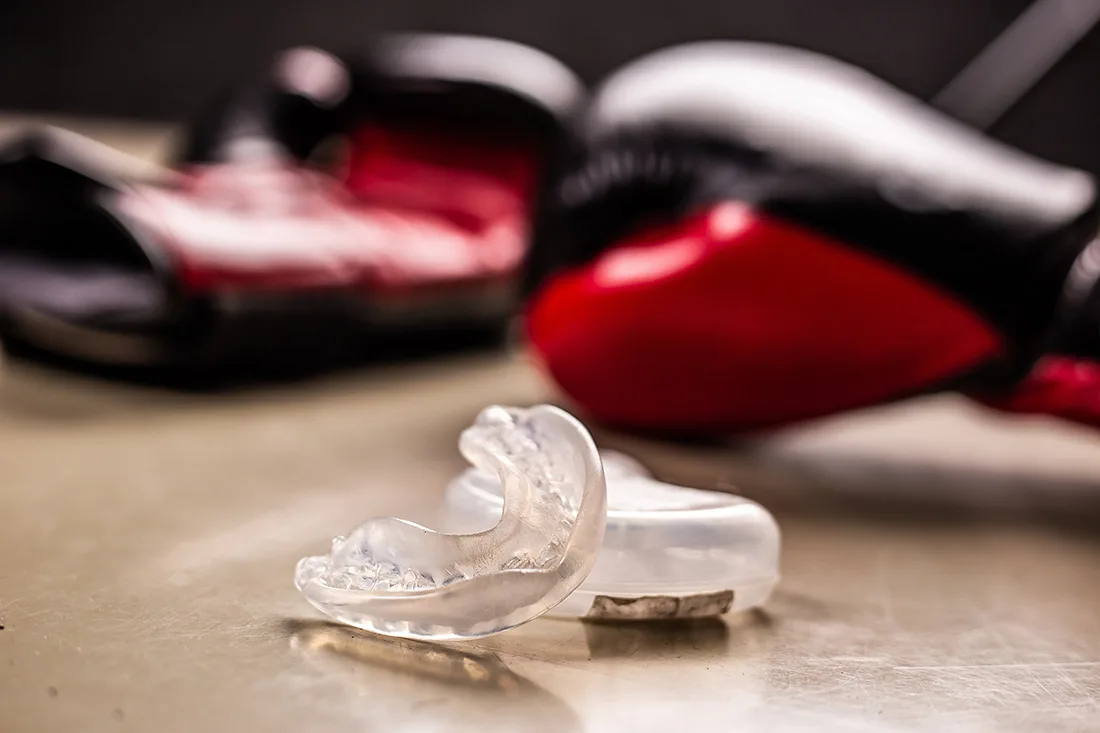
Sports guards are worn over the teeth, and are specifically designed to protect your mouth from oral trauma caused by high-impact sports. Many sports put players at risk for dental injuries caused by collisions to the mouth, face, or head, but a custom-fitted sports guard can help protect you from chipping, cracking, or knocking out a tooth. Tailored to fit your unique smile, sports guards are both comfortable and durable, so you can play the sports you love without missing a beat.
A sports guard is essential if you’re an athlete who plays football, basketball, baseball, soccer, rugby, hockey, gymnastics, mountain biking, or if you participate in any other activities that put you at risk for injury due to falling, body contact, or flying objects.
Subheading
Frequently Asked Questions
Check out these frequently asked questions, or call us to speak with our team.